When you think about English Heritage, you might think of a day out or a school trip to a castle. Productions think differently. They see a 14th-century ruin that doubles as Sherwood Forest, a Thames-side fort that becomes wartime London, a Bedfordshire manor that could plausibly be France.
English Heritage manages over 400 historic properties across England. A number of them appear repeatedly on production lists, for reasons that have less to do with prestige and more to do with practical versatility: accessible, well-maintained, and accustomed to the logistics of a film crew.
Here are five with serious screen credentials, each available to view and enquire about on the English Heritage filming locations showcase.
Waverley Abbey, Surrey
The Mummy2017
Into the Woods2014

The Huntsman: Winter's War2016
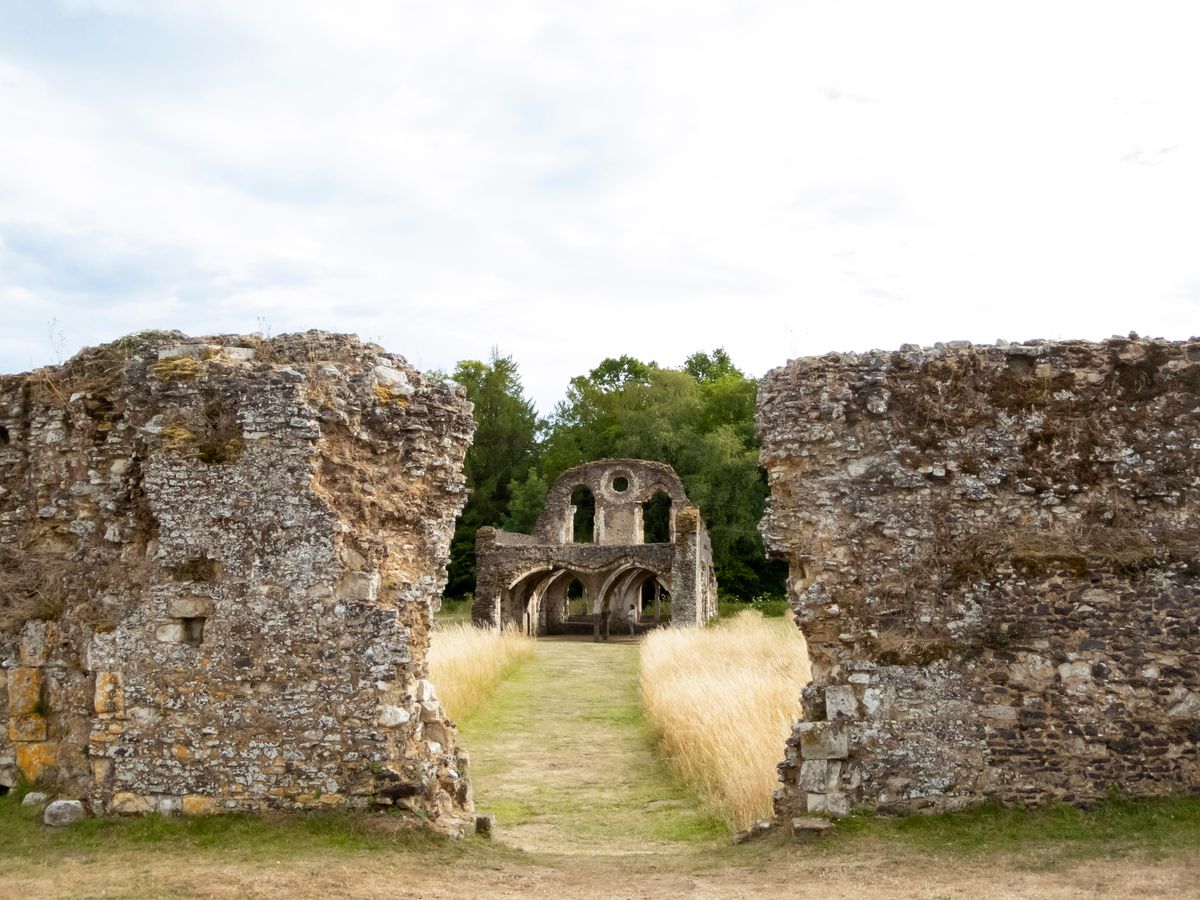
The first Cistercian abbey founded in England, established in 1128, Waverley Abbey has been a ruin since the Dissolution of the Monasteries in the 16th century. What remains is a fragment of the original church and monastic buildings: arched stonework, open-air passages, and a setting deep in the Surrey countryside near Farnham.
For productions needing medieval ruins that feel genuinely old rather than constructed, Waverley is a recurring answer. Three productions with very different tonal requirements, all of which found what they needed here.
Old Wardour Castle, Wiltshire
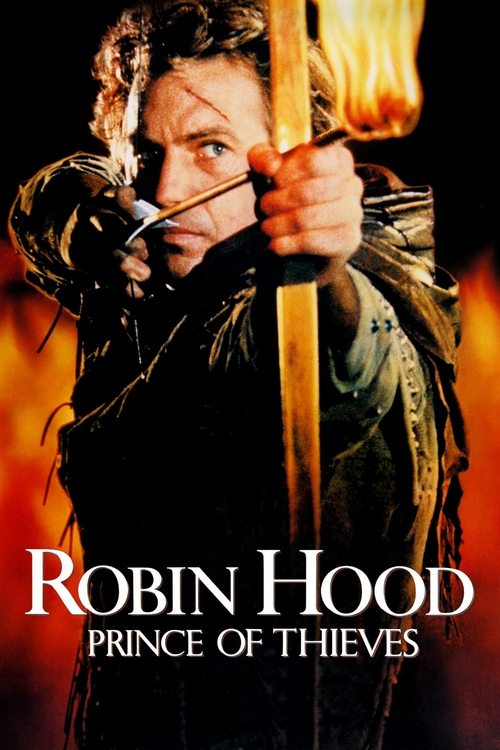
Robin Hood: Prince of Thieves1991
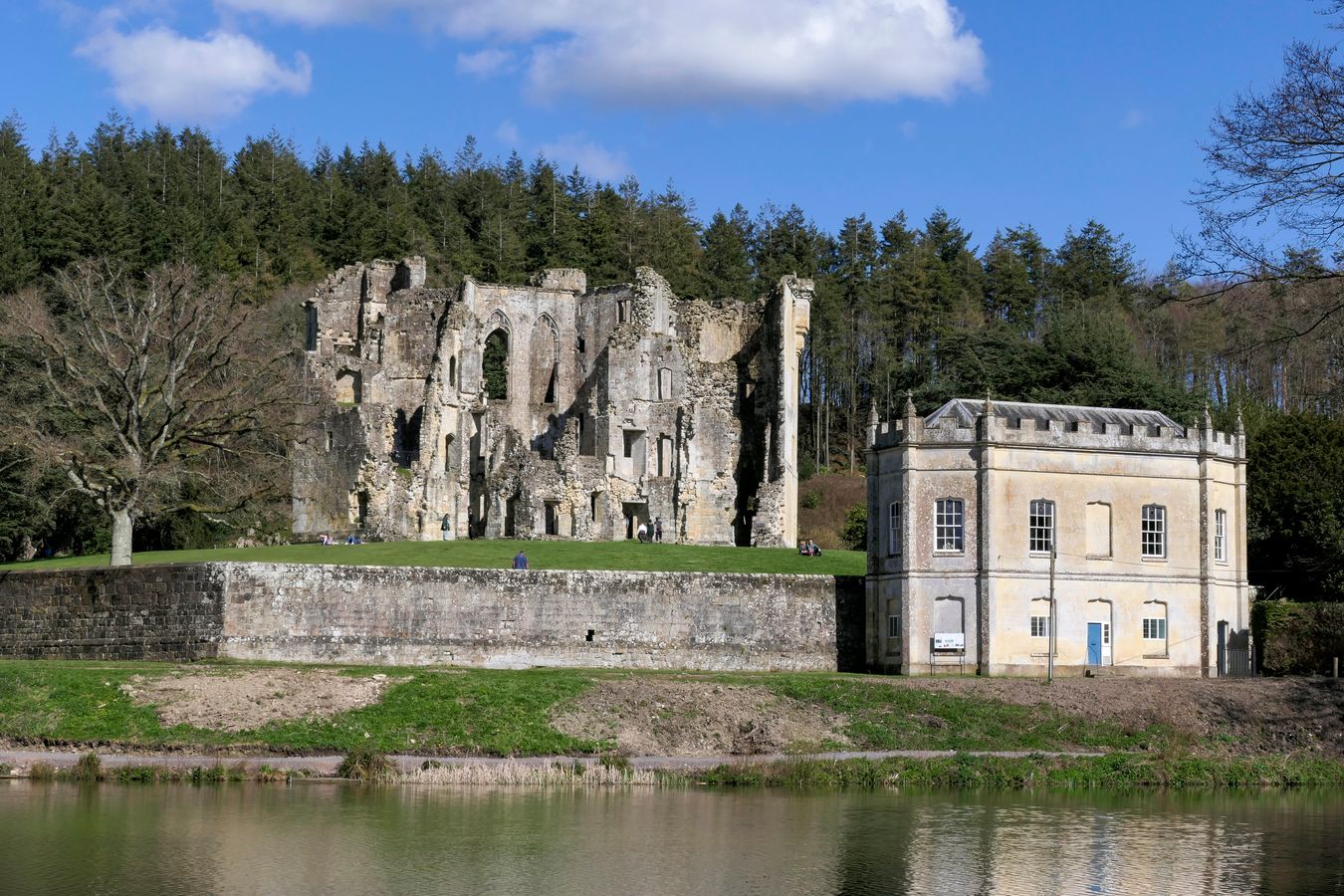
Old Wardour is one of those locations that could only exist in England. A hexagonal 14th-century castle badly damaged during the English Civil War and never rebuilt, it leaves a shell that falls somewhere between fortress and romantic folly. Set in Wiltshire countryside, it is, as English Heritage describe it, a showpiece house turned romantic ruin.
Its most famous screen credit is Locksley Castle in Robin Hood: Prince of Thieves — one of those choices that proved so right it has defined the location for decades. Productions still reference the film when scouting the castle.
Wrest Park, Bedfordshire
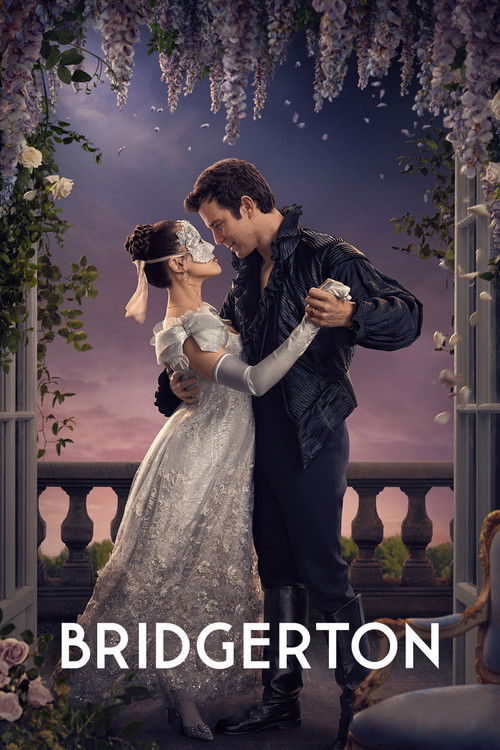
Bridgerton2020
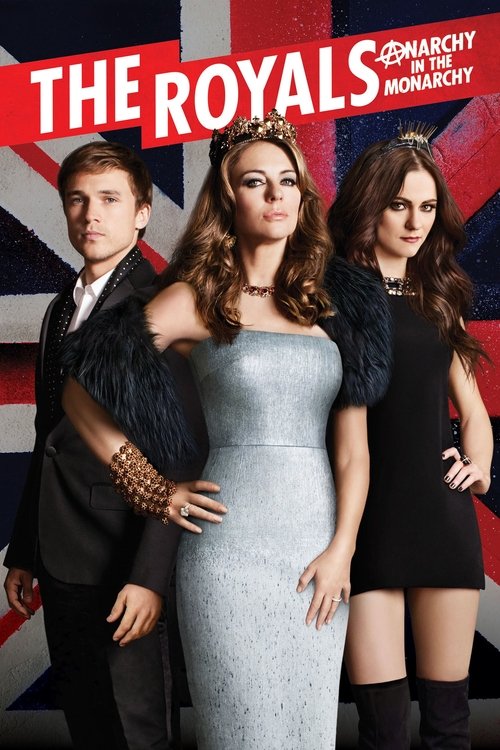
The Royals2015

The Death of Stalin2017
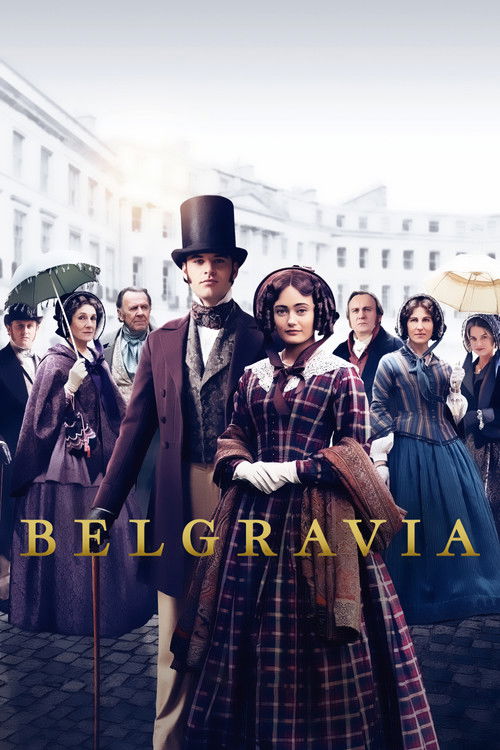
Belgravia2020
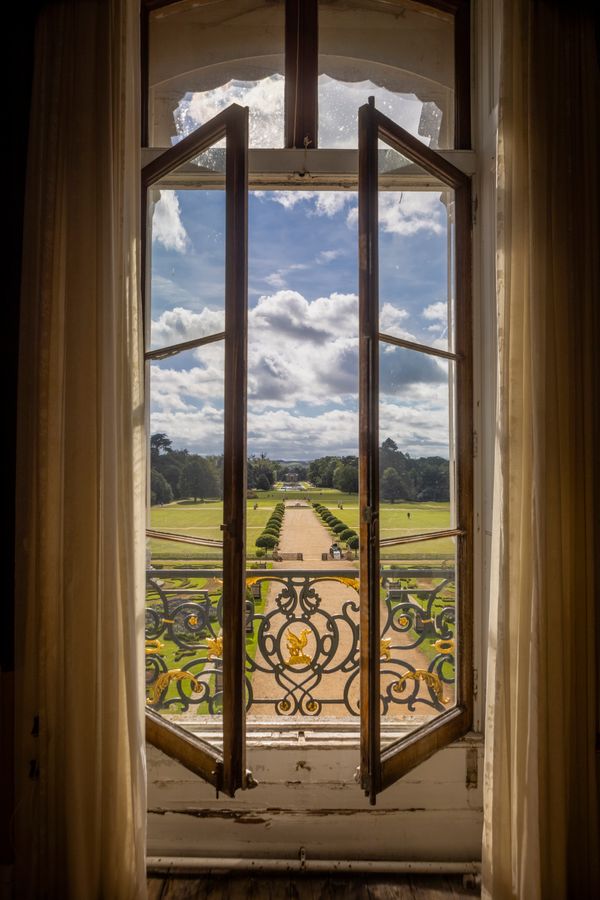
Ninety acres of formal gardens, a house built in the French style, and a location close enough to London to be practical without looking anything like it. Wrest Park has become a reliable choice for period productions needing scale without the typical English country house aesthetic.
The formal gardens do heavy lifting across all four productions, reconfigured by different art departments to read as Paris, St Petersburg, or a very grand English estate depending on what the script requires.
Tilbury Fort, Essex

Wonder Woman2017
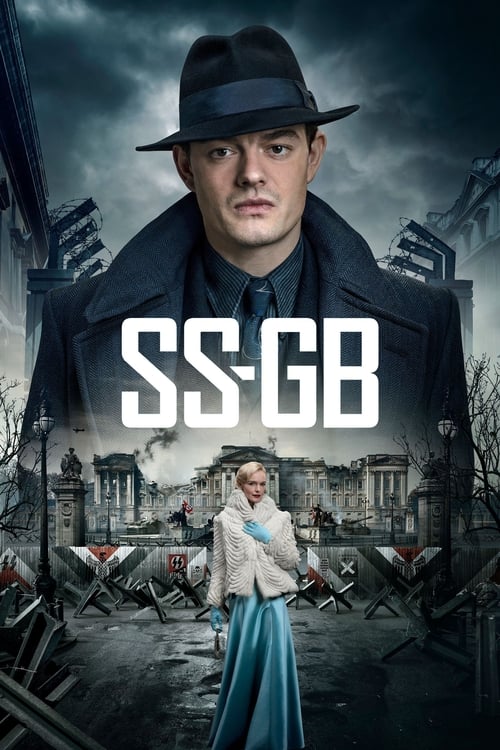
SS-GB2017
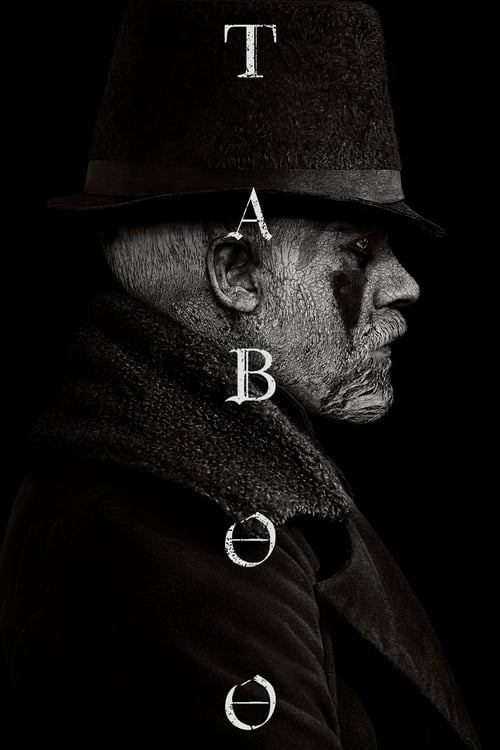
Taboo2017
Tulip Fever2017
Peterloo2018
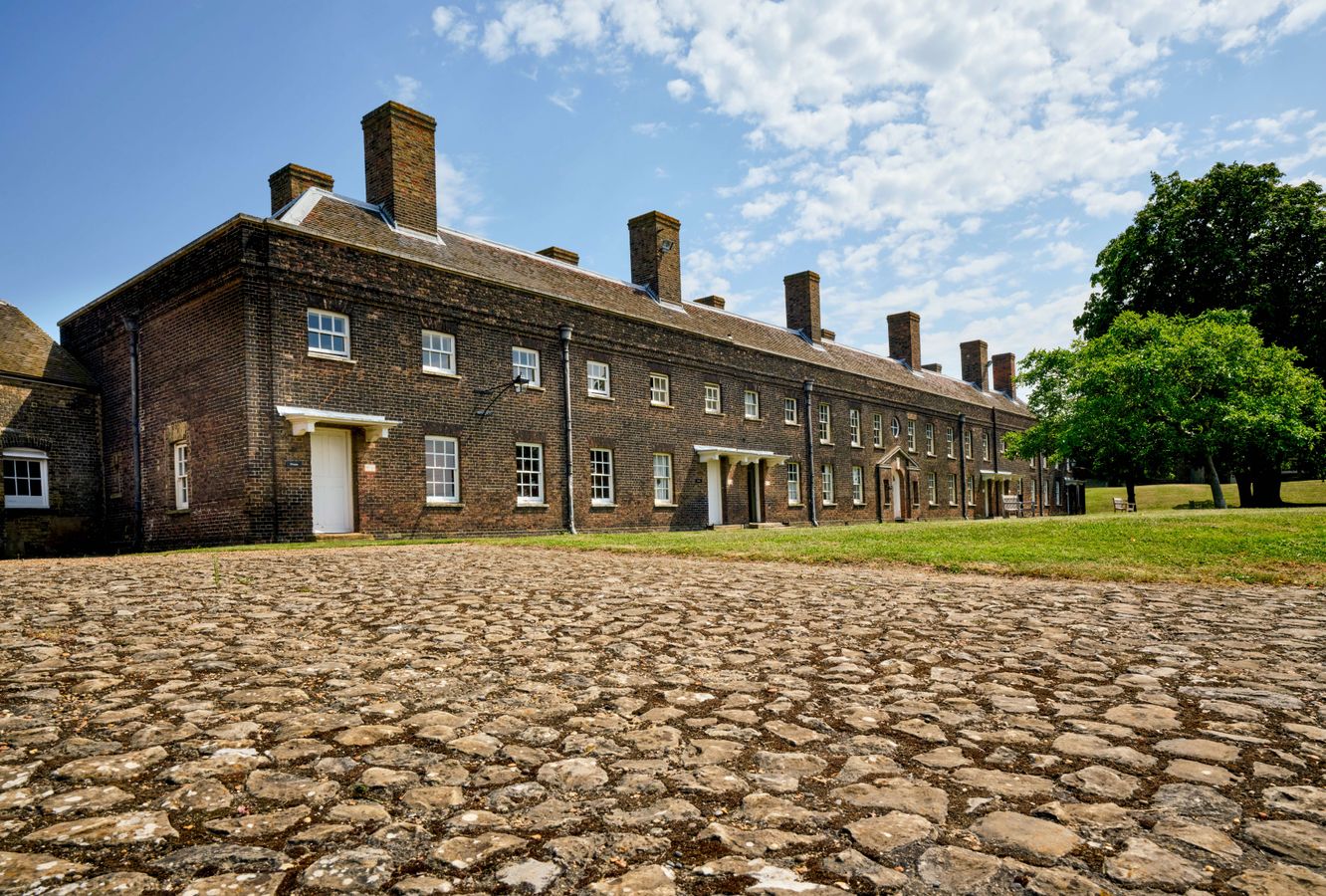
Tilbury Fort may be the most frequently used location on this list. The star-shaped artillery fort on the Thames estuary — the same site where Elizabeth I gave her speech before the Spanish Armada — appeared in five productions across a short span of years.
That concentration says something about practical versatility. The fort’s layout, its relationship to the Thames, and its contained and controllable environment make it a working professional’s location: flexible, accessible, and capable of reading as several different periods depending on what the camera is pointed at.
Dover Castle, Kent

Avengers: Age of Ultron2015
The Crown2016
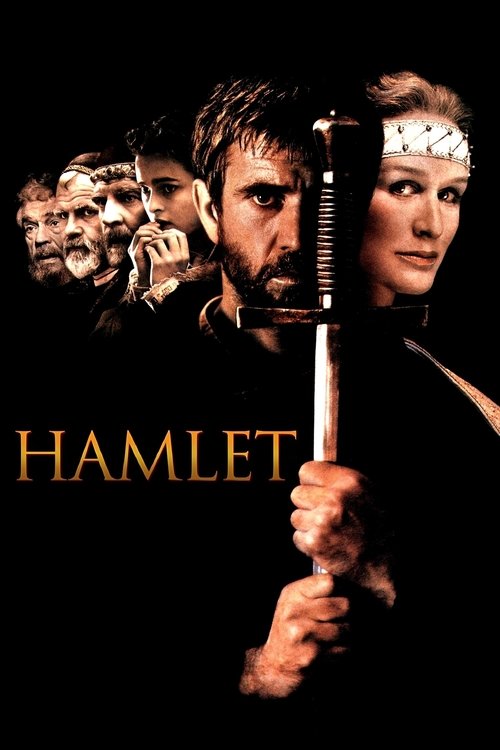
Hamlet1990
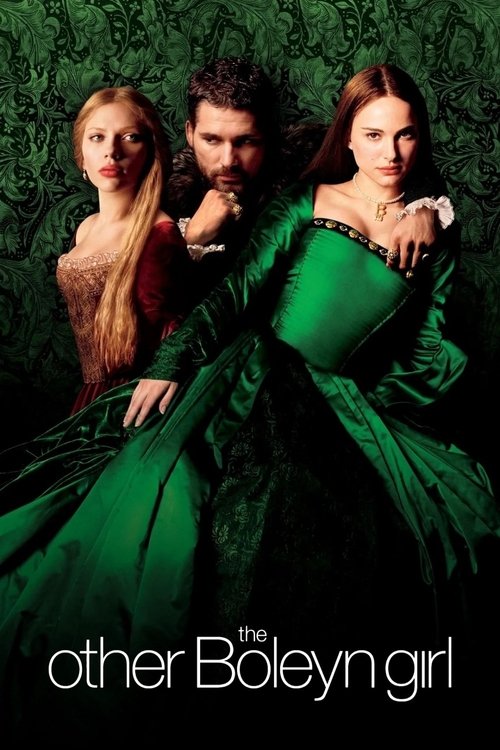
The Other Boleyn Girl2008
Into the Woods2014
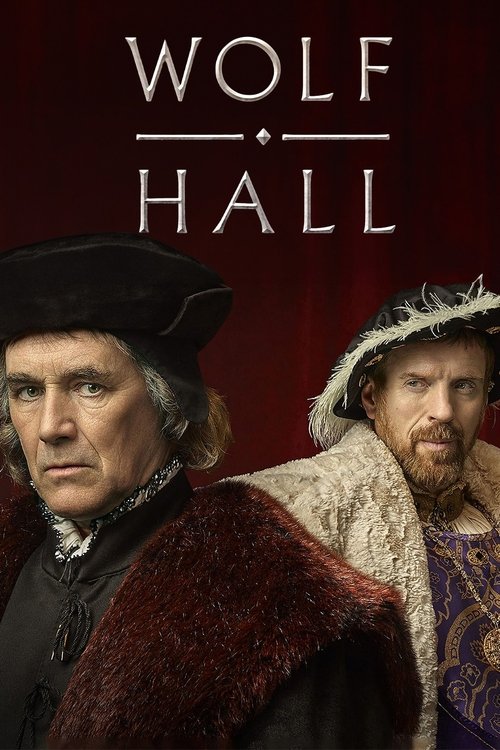
Wolf Hall2015
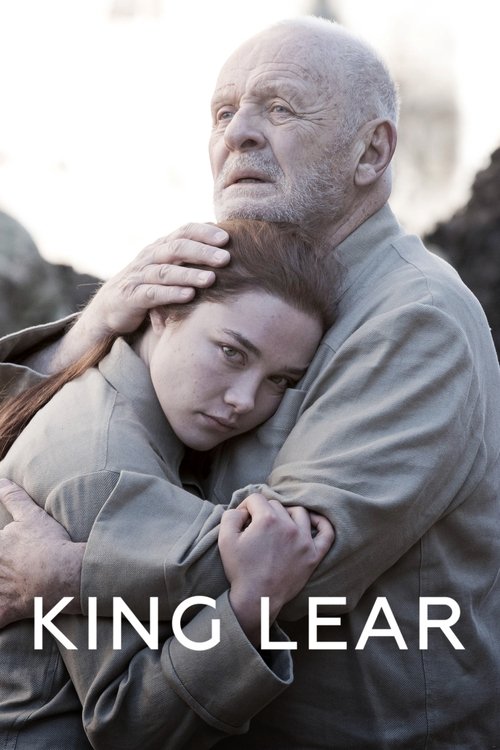
King Lear2018
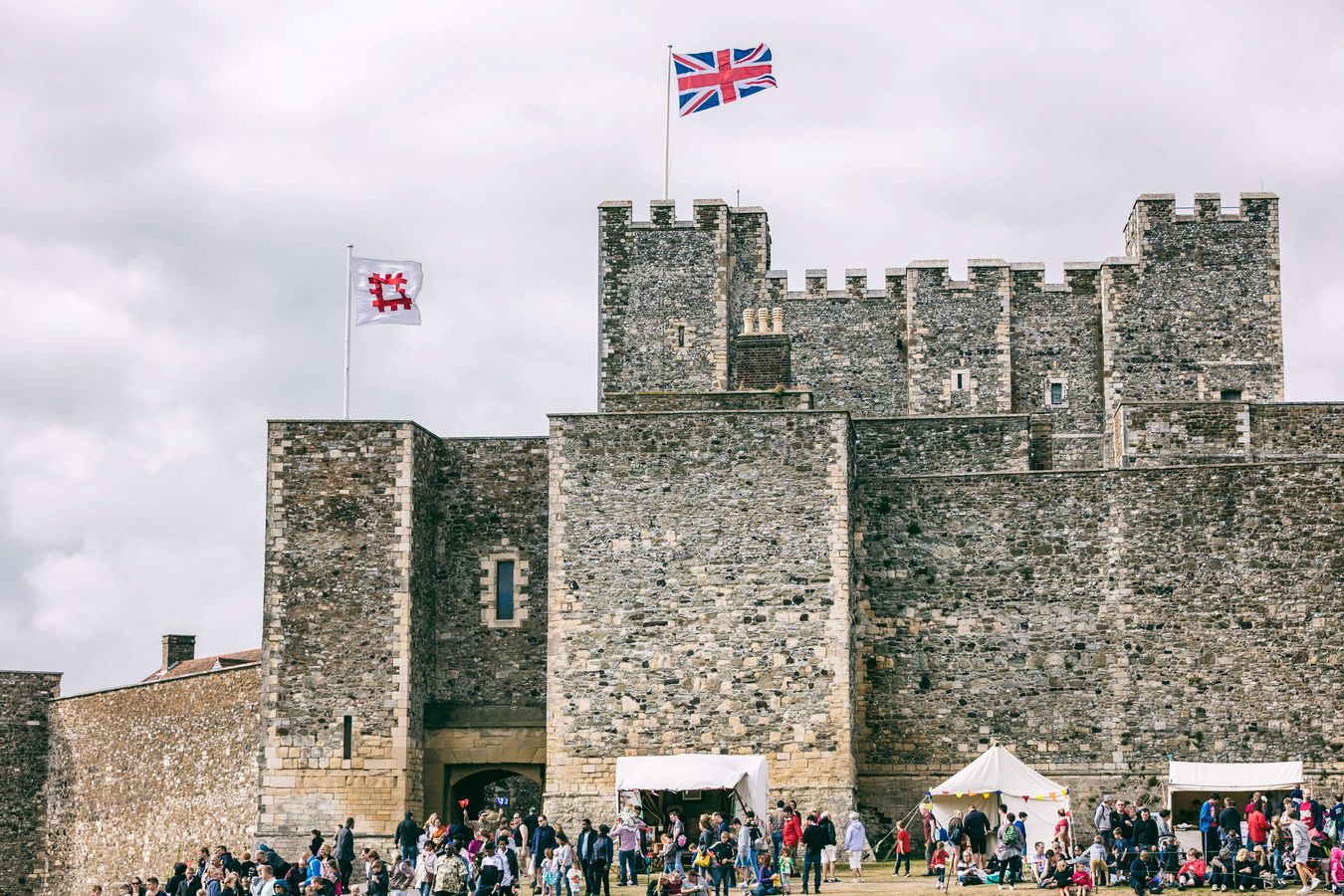
Dover Castle has more screen credits than any other property on this list, and the range of them is striking. Seven productions with almost nothing in common except the decision to film here.
The reason is clear once you’ve visited. The castle sits atop the White Cliffs, contains a medieval keep, secret wartime tunnels, and a range of spaces that can be lit, dressed, and controlled to serve entirely different visual briefs.
These five are a fraction of what’s available. The full English Heritage showcase brings together properties from across the country, each with photos, location details, and direct contact to the English Heritage film team.
Find these locations and more through the Heritage Filming Alliance.
Many of the locations featured here — and hundreds more just like them — are available to book for filming through our partners at the Heritage Filming Alliance. Browse their full, searchable database.