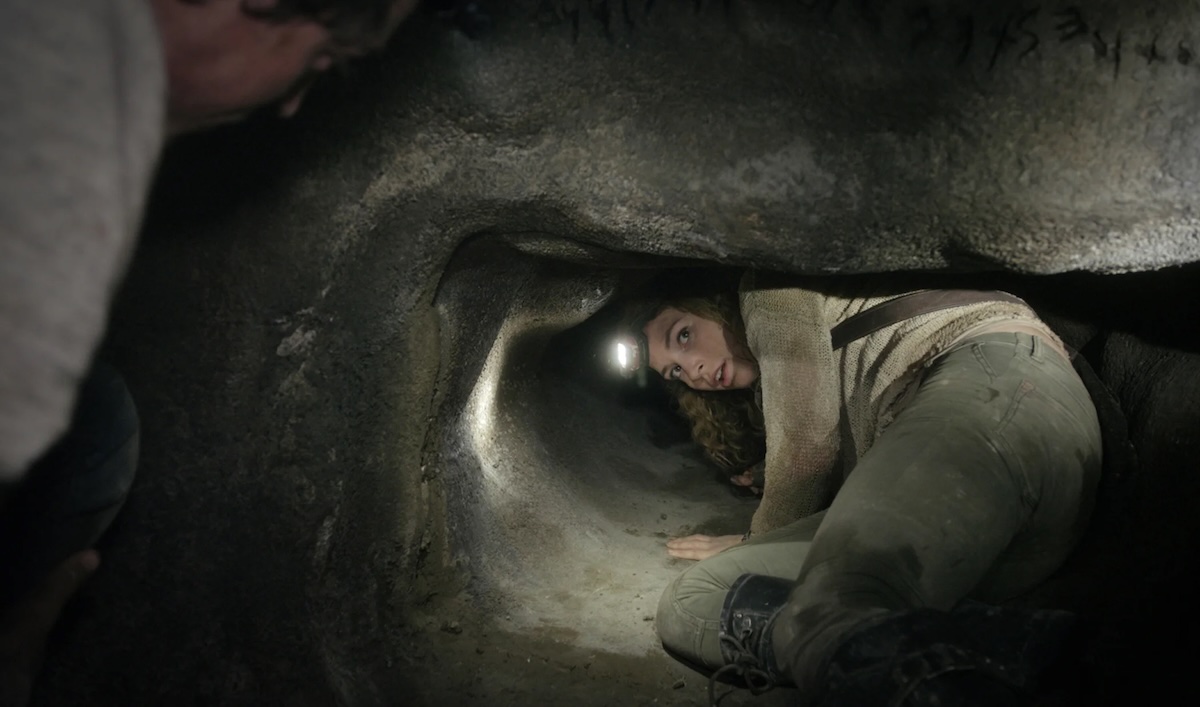
Horror films rely on atmosphere as much as they do on monsters or blood. A chilling performance might haunt audiences, but it’s often the setting — the graveyards, castles, lonely hotels and abandoned houses — that lingers longest in the imagination. Locations don’t just serve as backdrops; in horror, they often become characters in their own right.
Some horror film locations are famous landmarks, others are deceptively ordinary spaces transformed into nightmares on screen. Together they prove that in horror, it’s not just what happens — it’s where it happens — that leaves audiences haunted.
So let's explore some of the most iconic real-world horror film locations across the UK and beyond.
Contents
- 9 haunting UK horror film locations:
- Highgate Cemetery, London
- Oakley Court, Windsor
- Hambleden, Buckinghamshire
- Ettington Park Hotel, Warwickshire
- Guildford Cathedral, Surrey
- Culzean Castle, Ayrshire
- St Michael’s Mount, Cornwall
- The Headland Hotel, Cornwall
- Greenwich Foot Tunnel, London
- 7 horror film locations around the world:
- The Hewitt House, Texas (USA)
- The Dakota, New York City (USA)
- Timberline Lodge, Oregon (USA)
- Seneca Creek State Park, Maryland (USA)
- Yaquina Head Lighthouse, Oregon (USA)
- Orava Castle, Slovakia
- Paris Catacombs, France
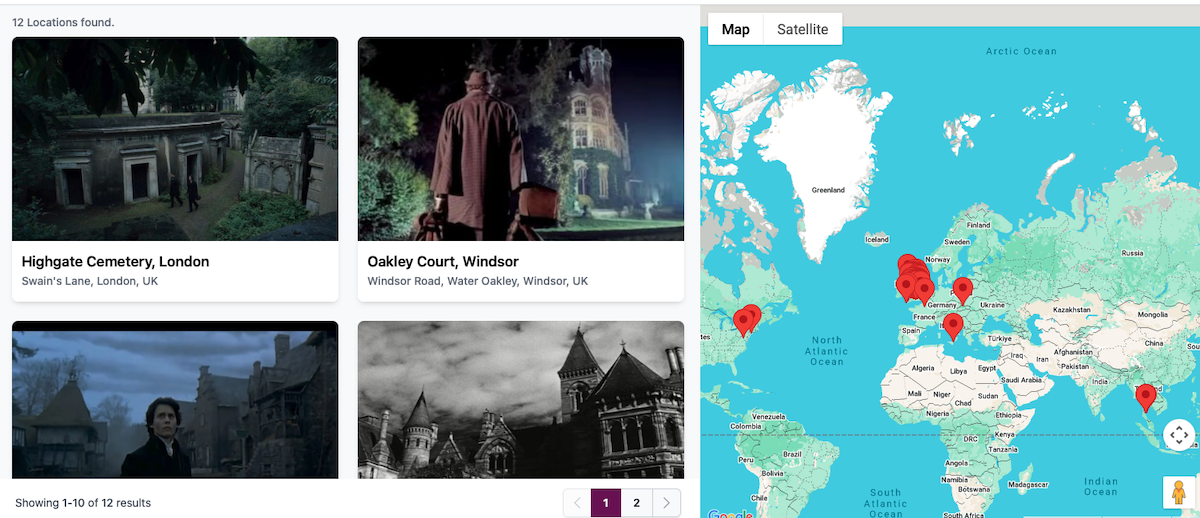
Use the SuperScout Movie Map to explore these horror filming locations (and more!)
10 haunting UK horror film locations:
1. Highgate Cemetery, London
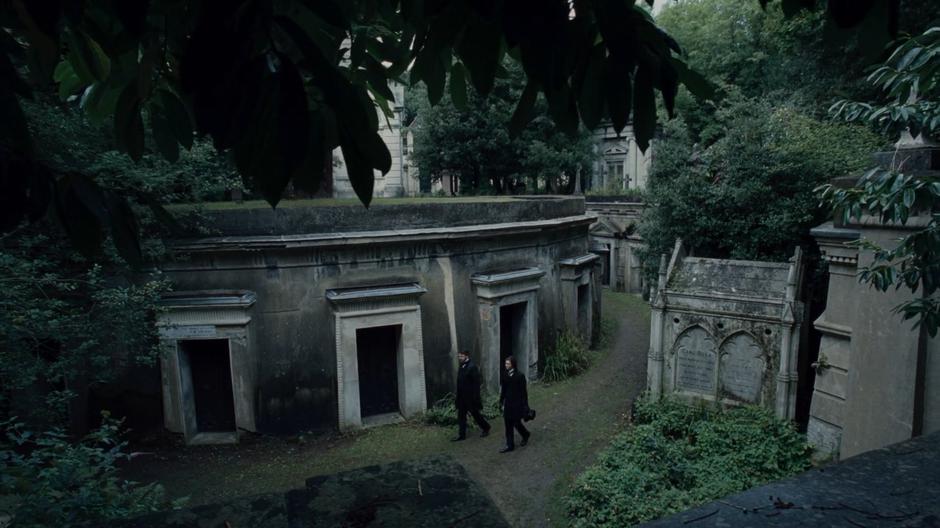
Highgate’s Gothic spires, ivy-draped tombs, and weathered gravestones have made it a cornerstone of British horror. This Victorian cemetery starred in classics like Taste the Blood of Dracula and The Abominable Dr. Phibes, its grandeur embodying Hammer’s signature Gothic style.
More recently, parts of Dorian Gray (2009) were filmed in Highgate Cemetery, where the atmosphere perfectly mirrored the story’s themes of vanity, decay, and moral corruption.
2. Oakley Court, Windsor
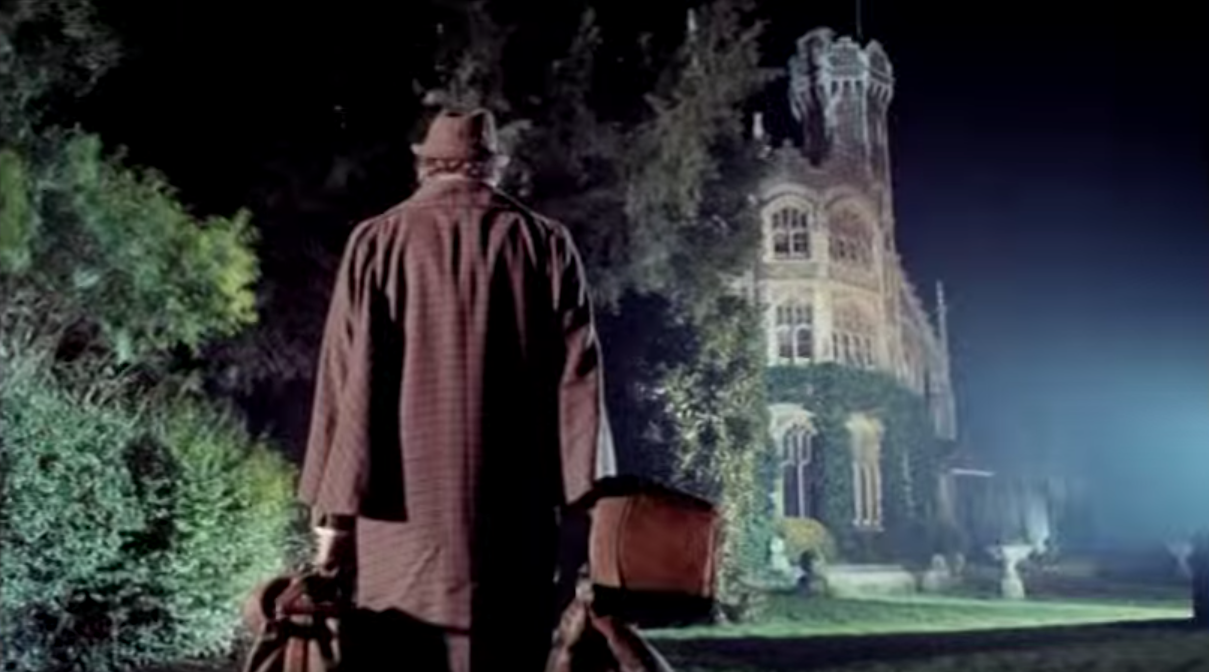
Oakley Court is a true icon of horror cinema. The Gothic Revival mansion is best known as the mansion in The Rocky Horror Picture Show (1975), but it also appears throughout Hammer’s classic horror catalogue. Today, it operates as a luxury hotel, with its distinctive turrets and riverside location preserving its dramatic appeal.
3. Hambleden, Buckinghamshire
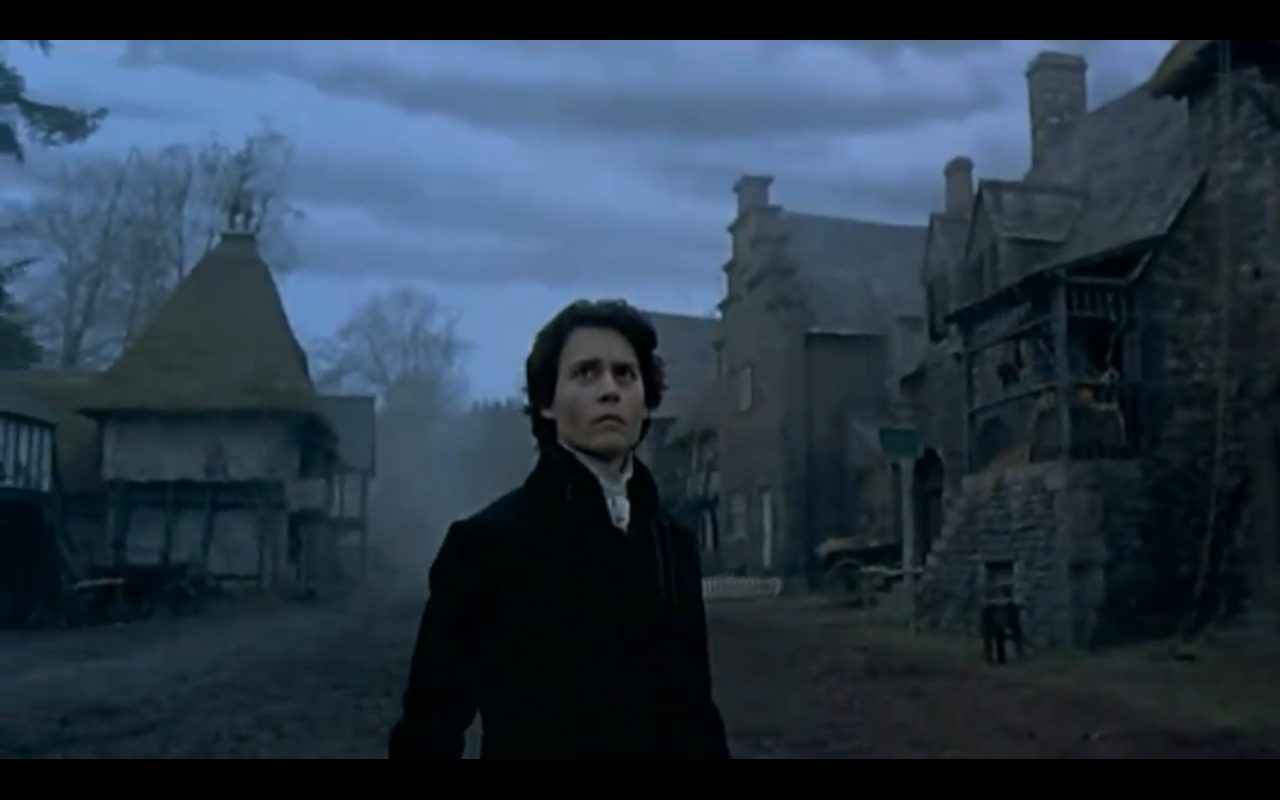
Tim Burton transformed this quintessential English village into a gothic fairytale landscape. Hambleden’s cobbled lanes, timber-framed houses, and misty countryside gave Sleepy Hollow (1999) a timeless storybook eeriness, showing how a quaint village can be reimagined for horror.
4. Ettington Park Hotel, Warwickshire
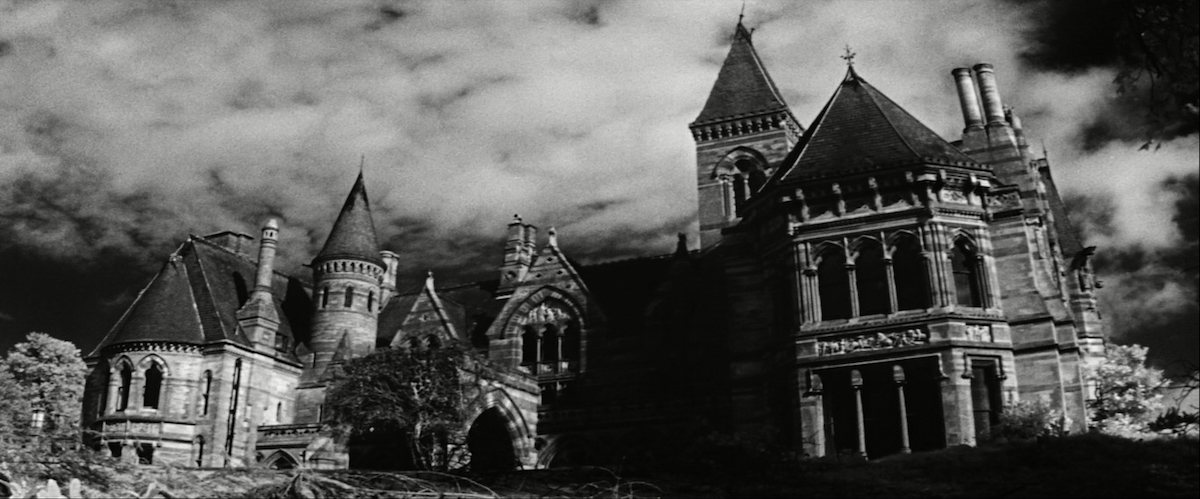
The chilling “Hill House” in Robert Wise’s classic The Haunting (1963) was no set. Ettington Park Hotel’s looming Neo-Gothic architecture, surrounded by rolling Warwickshire countryside, provided the perfect setting for psychological terror.
Want to showcase your locations?
SuperScout Showcase lets you share your amazing locations across the internet, with a personally branded website that lets you build and show off your collections!

5. Guildford Cathedral, Surrey
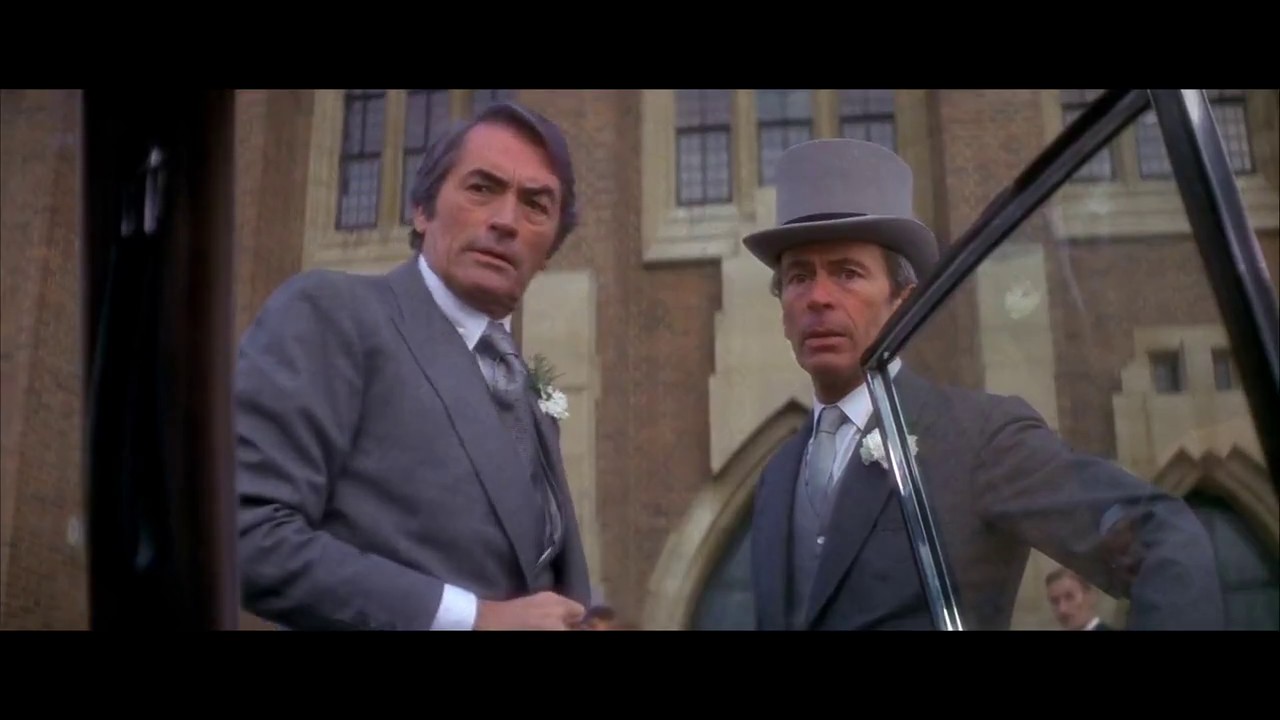
Sometimes modern is scarier than medieval – as demonstrated by Guildford Cathedral in The Omen (1976). The cathedral's stark, modernist architecture gave the film one of its most unforgettable scenes, with Damien recoiling from its doors.
6. Culzean Castle, Ayrshire

This clifftop Scottish castle featured in one of the greatest folk horrors ever made – The Wicker Man (1973). Built in the late 18th century for the Kennedy family and redesigned by architect Robert Adam, Culzean Castle is a masterpiece of Georgian grandeur overlooking the Firth of Clyde.
7. St Michael’s Mount, Cornwall
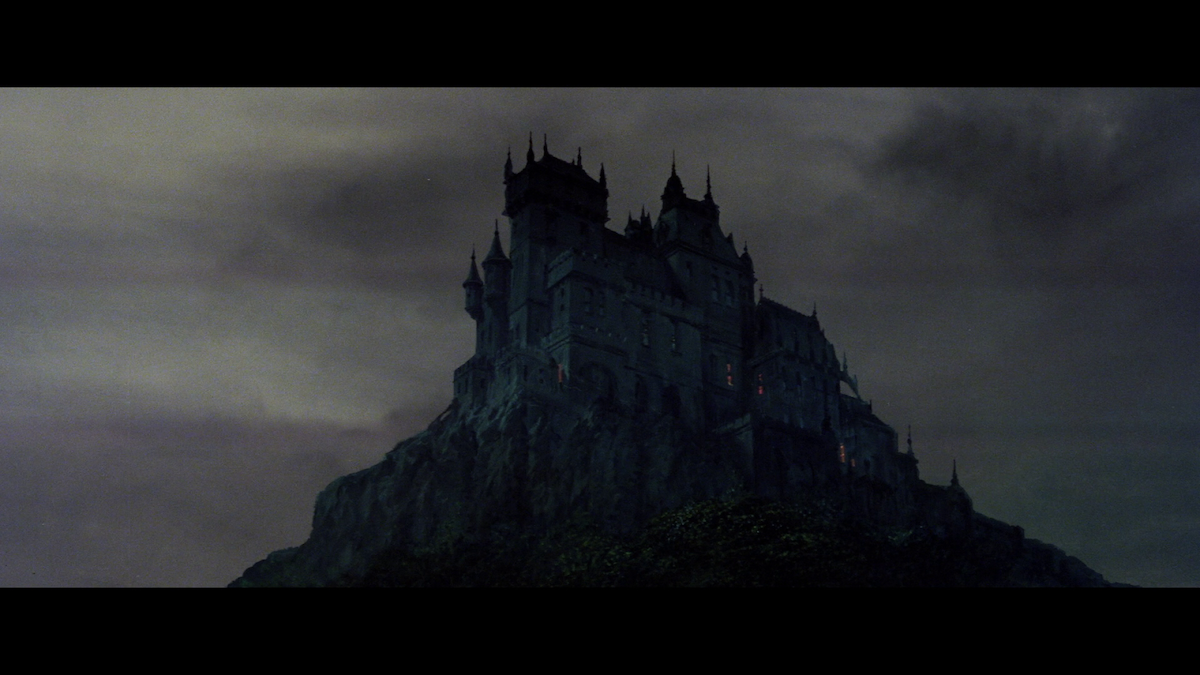
John Badham’s Dracula (1979) brought audiences to this tidal island topped with a medieval castle and church. The location oozes gothic atmosphere — an isolated fortress cut off from the mainland by shifting tides.
8. The Headland, Cornwall
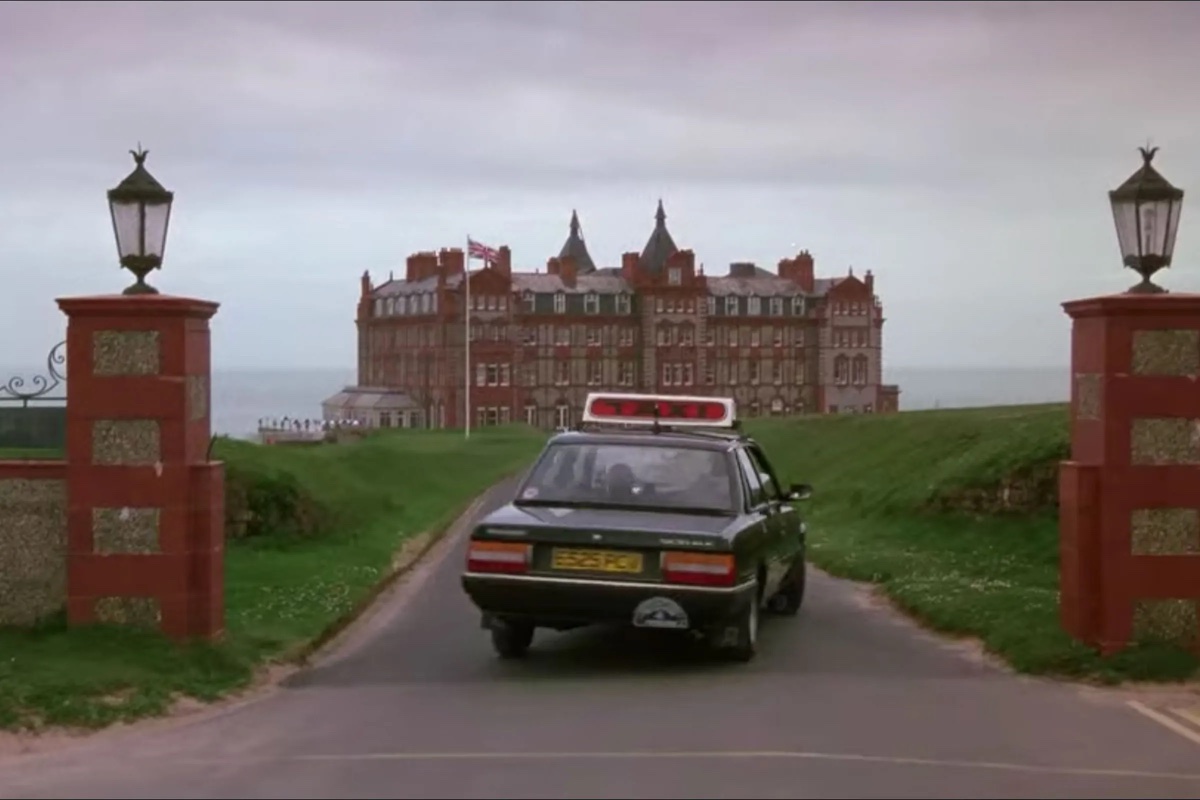
An Edwardian hotel on the Cornish coast became the setting of the witches’ convention for Roald Dahl’s The Witches (1990). Its grand interiors and windswept seafront façade made it both inviting and terrifying.
9. Greenwich Foot Tunnel, London
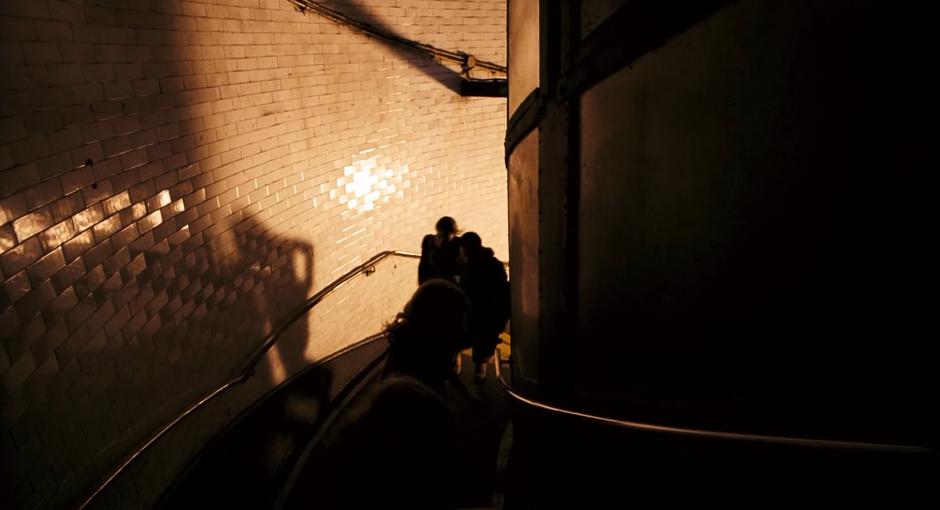
This Victorian tunnel beneath the Thames is cinematic minimalism at its best: an endless, echoing corridor of glazed white tiles, claustrophobic and uncanny. Used in 28 Weeks Later (2007), and Dorian Gray (2009).
7 horror film locations around the world:
1. The Hewitt House, Texas (USA)
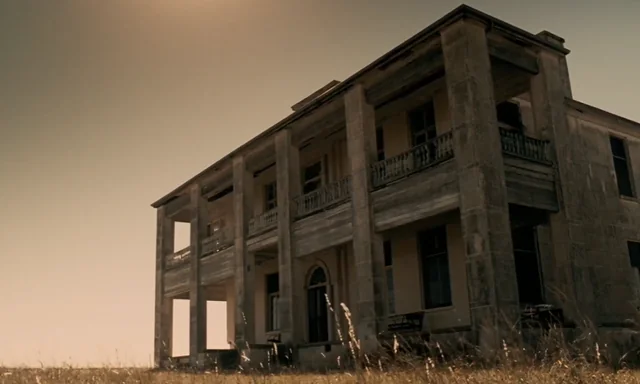
The fictional home of the Hewitt family is a real southern plantation house in Granger, Texas, used for filming the 2003 and 2006 Texas Chainsaw Massacre movies. The six bedroom house was built in Austin in the 1850's then moved by train in the 1930's and rebuilt brick by brick where it now sits.
2. The Dakota, New York City (USA)
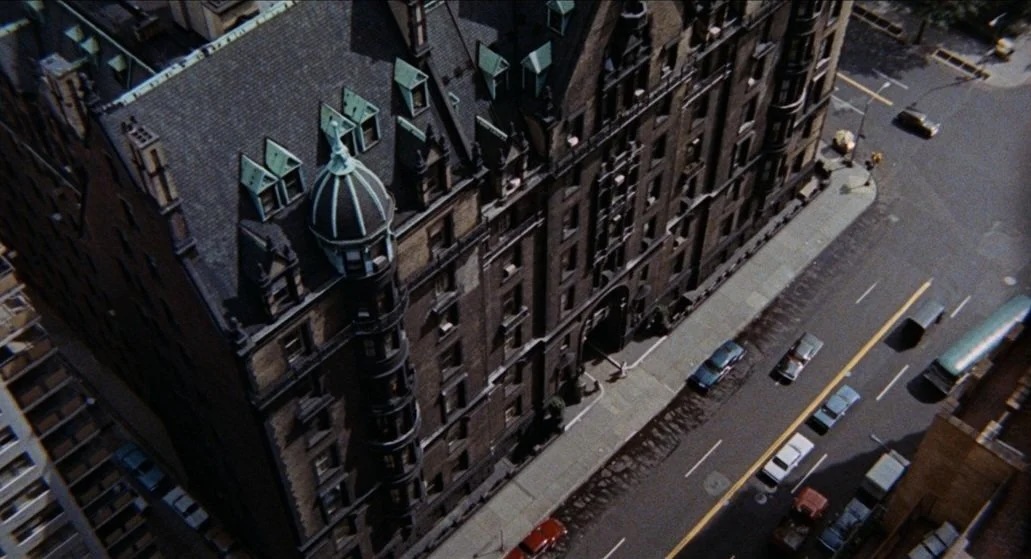
This Gothic Renaissance apartment block on Central Park West became the fictional "Bramford", home to witches and paranoia in Rosemary’s Baby (1968). The Dakota’s ornate exterior is both beautiful and unsettling, cementing its place in horror history.
For more of NYC, check out iconic filming locations in New York City.
3. Timberline Lodge, Oregon (USA)
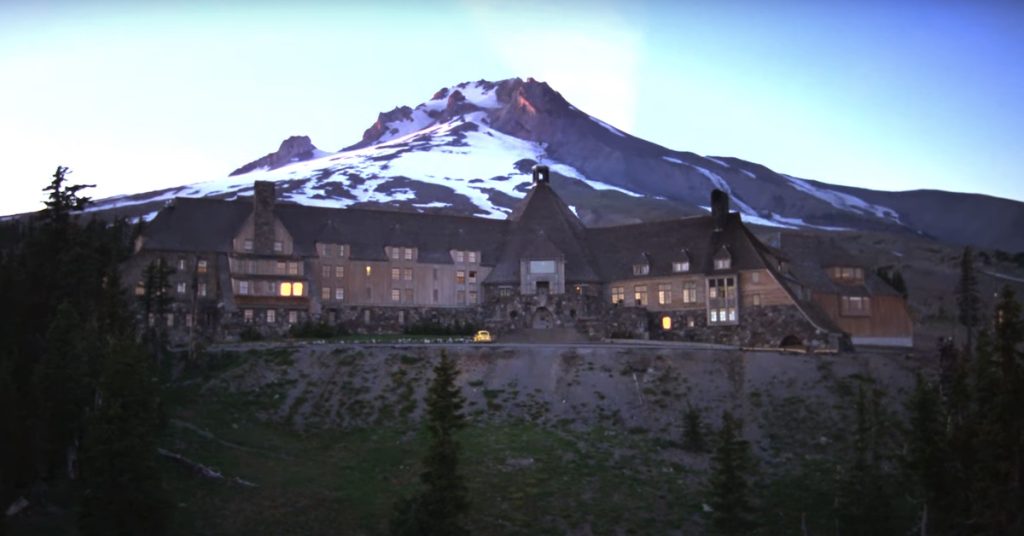
Many are familiar with the Stanley Hotel, the inspiration for Stephen King's The Shining. But it's Timberline Lodge that served as the exterior of the fictional 'Overlook Hotel' in Stanley Kubrick's film starring Jack Nicholson. Built in the 1930s, it’s a striking blend of rugged mountain architecture and Art Deco detailing, with steep gables, stone chimneys, and massive timber beams.
Kubrick used the lodge’s imposing façade for wide establishing shots, though the interiors were recreated on soundstages at Elstree Studios in England. Its isolated alpine setting, surrounded by snow and cloud, gave the film its unforgettable sense of grandeur and dread — the perfect embodiment of a hotel cut off from the world.
For more isolated horror settings, explore our list of terrifying single-location movies.
4. Seneca Creek State Park, Maryland (USA)
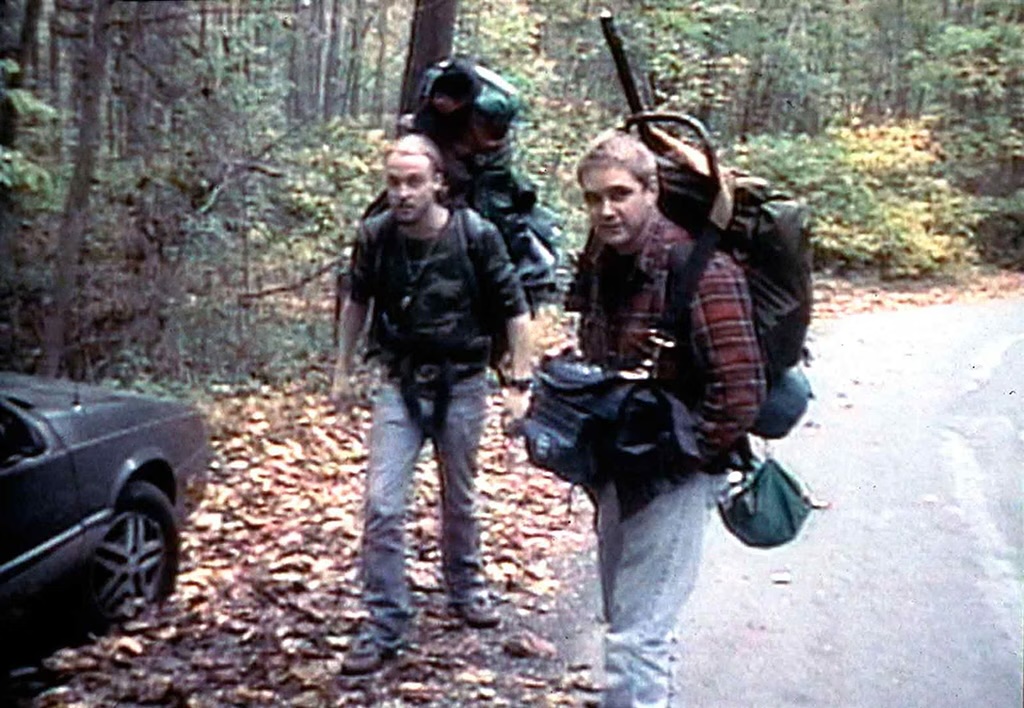
The haunting realism of The Blair Witch Project (1990) owes everything to its location: the real trails, streams, and campsites of this Maryland state park. The film was shot here on location with a micro-budget, where the natural terrain became a labyrinth of fear and disorientation.
Explore more forest and woodland film locations around the world.
5. Yaquina Head Lighthouse, Oregon (USA)
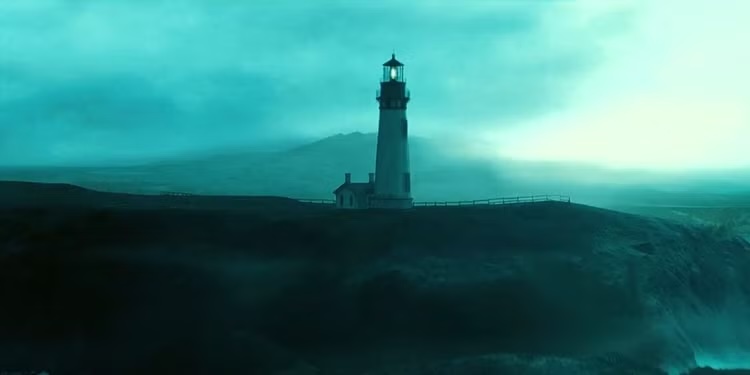
Standing on a rugged headland overlooking the wild Pacific coastline, the Yaquina Head Lighthouse provided the perfect bleak backdrop for The Ring (2002). Its remote coastal setting mirrors the film’s themes of isolation and inevitability.
6. Orava Castle, Slovakia
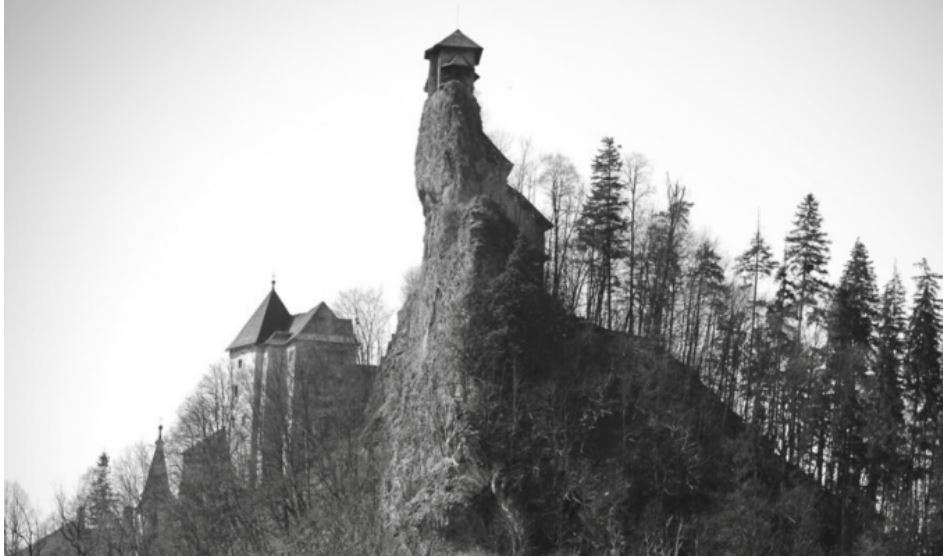
This 13th-century Slovak fortress served as Count Orlok’s castle in F.W. Murnau’s silent masterpiece Nosferatu (1922). Clinging to a sheer cliff above the Orava River, it remains one of Europe’s most cinematic castles. Nearly a century later, its shadowy towers and medieval walls are still instantly recognisable.
7. Paris Catacombs, France
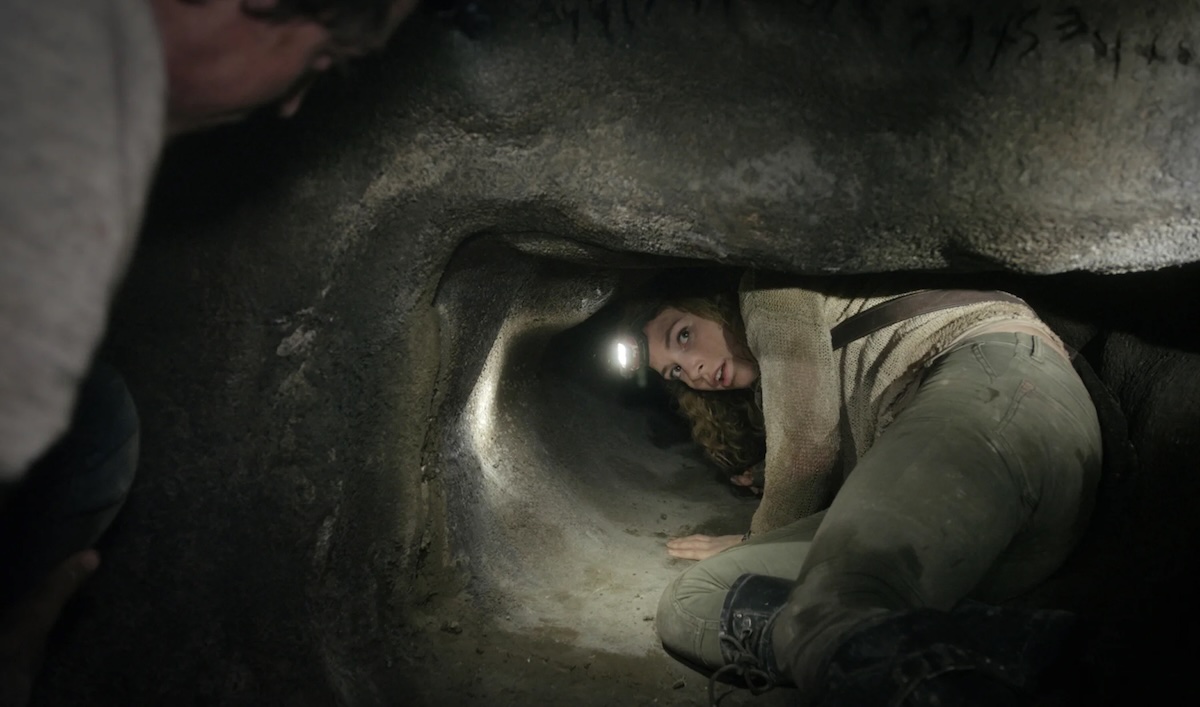
Few film locations are as authentically terrifying as the Paris Catacombs. With miles of ossuaries beneath the city, As Above, So Below (2014) was filmed on-site, bringing audiences face to face with the claustrophobic tunnels lined with human bones. The production gained rare permission to shoot in this underground labyrinth beneath the city.
Explore 10 of the best films set in Paris for more Parisian film locations.
That's a wrap
Horror lives in the details — a creaking floorboard, a shadow in a corridor, or fog rolling over forgotten graves. These horror film locations remind us that the most haunting stories are rooted in real spaces, where atmosphere turns to unease and beauty hides something darker.
For more unique locations, explore these open water movies and where they were filmed.
Explore filming locations from around the world.
Browse thousands of real locations — curated by location scouts and film offices, searchable and free to explore.